Emergency water extraction
Rapid removal of standing water using commercial extractors, followed by initial stabilization to slow damage to drywall, trim, and flooring.
Serving Orlando, Florida & surrounding areas
24/7 Emergency Response
Water Restoration in Orlando, Florida
Stop the spread, dry it correctly, and document the loss. Our restoration team responds fast with professional extraction, dehumidification, and a clear plan to get your property back to normal.
Control Water and Hidden Moisture
If you searched for water restoration Orlando, you're probably dealing with a leak, overflow, or storm water that needs attention now. Water moves fast through drywall, baseboards, and flooring, and the visible puddle is rarely the whole problem. The goal is to remove water, dry materials to safe moisture levels, and prevent secondary damage like swelling, warping, and microbial growth.
Water Damage Orlando handles water restoration for homes and businesses across Orlando, FL. We start by identifying the source and the water category, then build a drying plan based on what's wet and what can realistically be saved. You'll get a straightforward scope of work, progress updates, and documentation that helps if you're filing an insurance claim.
Orlando's humidity makes proper dehumidification and airflow control especially important. If drying is rushed or uneven, moisture can stay trapped in wall cavities, under floating floors, or behind cabinets. We use professional moisture mapping and targeted drying to avoid that guesswork.
Call Now +1 689 220 2026Complete Loss Stabilization
Rapid removal of standing water using commercial extractors, followed by initial stabilization to slow damage to drywall, trim, and flooring.
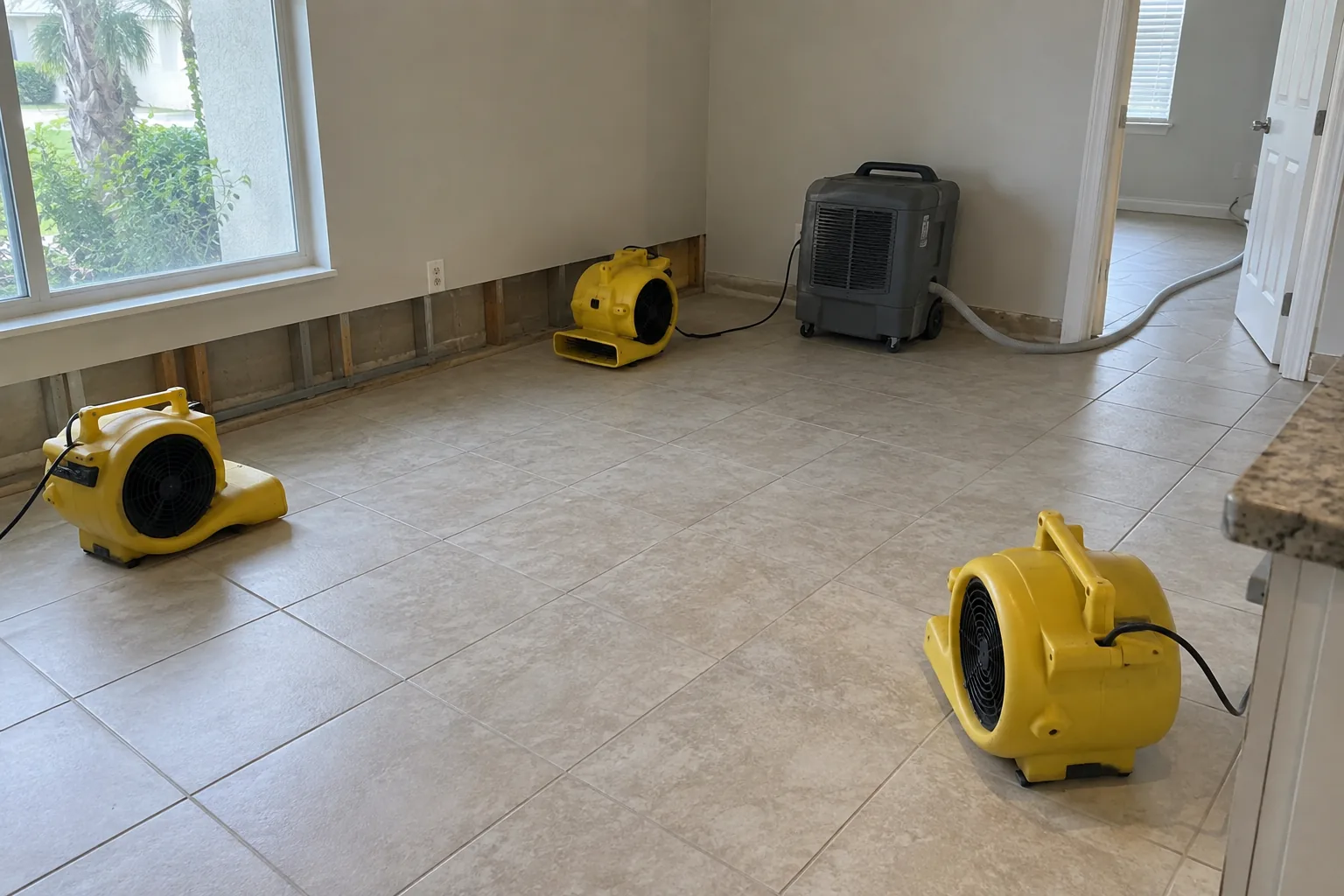
Air movers and dehumidifiers sized to the space, with controlled airflow so materials dry evenly instead of trapping moisture in hidden pockets.
Moisture meters and thermal imaging where appropriate map affected areas and confirm drying targets before equipment comes down.
Cleaning of affected surfaces and contents when possible, plus odor treatment when water has sat long enough to create musty smells.
Removal of damaged drywall, insulation, baseboards, or flooring only where materials can't be dried safely or have lost integrity.
Photos, moisture readings, equipment logs, and a clear scope give you organized records of the work performed if an adjuster needs details.
A Plan Built Around the Property
Every loss is different, but the fundamentals stay the same: stop the source, remove water, dry the structure, and verify.
In Orlando, we regularly see water events that start small and spread quickly. A supply line leak can soak a wall cavity before it ever shows on the paint. An AC condensate overflow can saturate flooring and baseboards. Storm-driven water can affect entry points, garages, or ground-level rooms. The sooner drying equipment is installed and monitored, the better the odds of saving materials.
We also adapt the plan to the building. Tile on slab behaves differently than carpet over pad. Older plaster, newer drywall, engineered wood, and solid hardwood all respond differently to moisture. Our team checks what's wet, what's salvageable, and what needs removal for access and safety.
If your situation is part of a broader property issue, you can get a quick overview of related help through Water Damage Orlando Florida.
Call Now +1 689 220 2026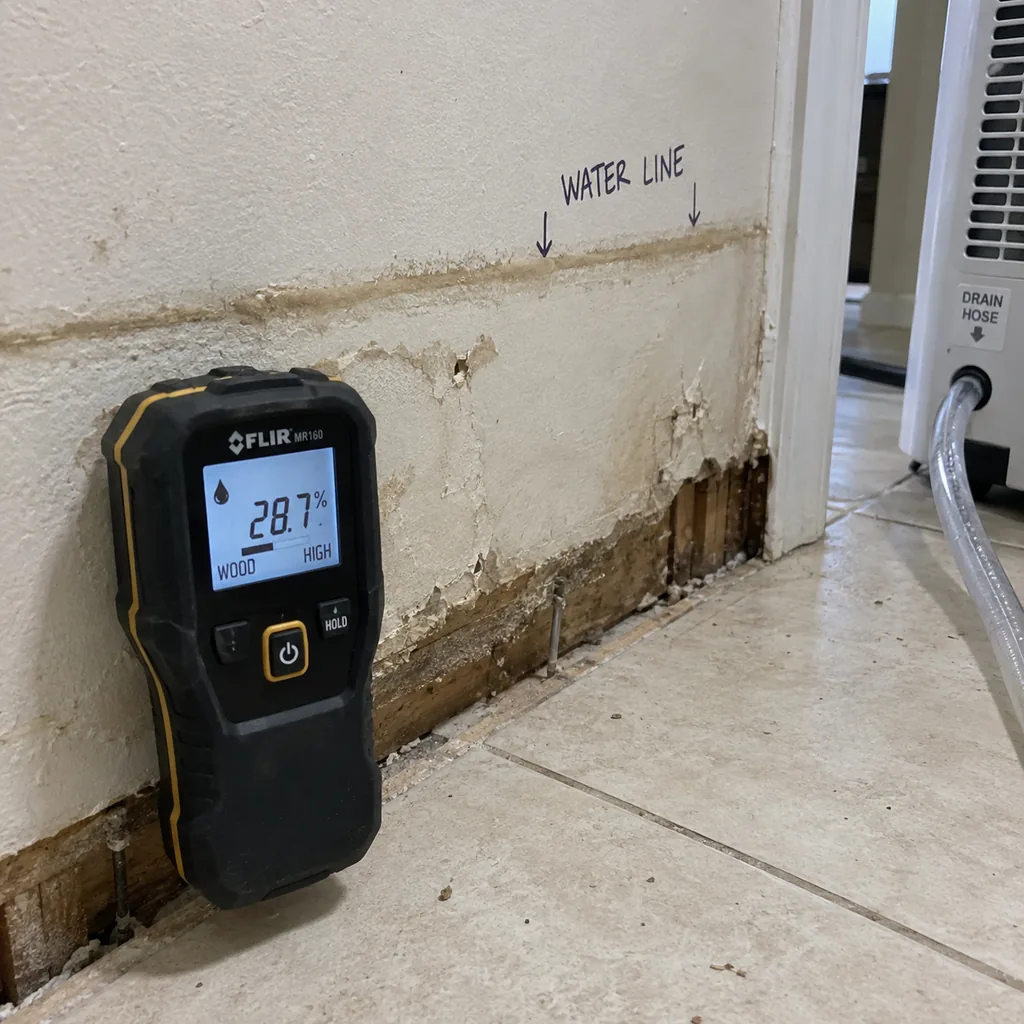
Measured From Start to Finish
We confirm the water source is stopped and check for obvious electrical or slip hazards. If needed, we help you coordinate a plumber or other trade to correct the cause before drying begins.
We inspect affected rooms and adjacent areas, then map moisture in walls, floors, and ceilings. This determines where equipment goes and what materials can realistically dry in place.
We remove standing water and begin stabilizing the environment. This step limits wicking into drywall and helps protect flooring and trim.
We set air movers and dehumidifiers based on the size of the loss and the materials involved. Containment may be used to keep drying focused and efficient.
Drying is not set-and-forget. We re-check moisture levels and adjust equipment placement as materials respond, especially in Orlando's humid conditions.
Once readings show materials have returned to acceptable levels, we remove equipment and review next steps, including cleaning and any rebuild items if materials were removed.
Written Scope After Inspection
Water restoration in Orlando typically ranges from about $900 to $6,000+, depending on how far the water spread and what materials are affected. A smaller, clean-water incident in one room may land on the lower end, while multi-room saturation, wet insulation, or water that sat longer usually pushes costs higher.
Price drivers include the amount of water to extract, the drying days required, the type of water—clean versus contaminated—access to wet areas under floors, behind cabinets, or in ceilings, and whether selective demolition is needed to dry safely. The exact cost is confirmed after an on-site inspection and moisture mapping.
Call Now +1 689 220 2026Clear Answers Before Drying Begins
Start water restoration as soon as the source is stopped and it's safe to enter the area, because water can wick into drywall and flooring quickly. In Orlando, high humidity can slow natural evaporation, so professional extraction and dehumidification help limit swelling, warping, and musty odors.
Yes. The equipment and drying principles are the same, but commercial spaces often need tighter scheduling, documentation, and containment to keep operations moving while affected areas dry.
Mitigation is the immediate work that prevents the damage from getting worse, like extraction, drying, and removing unsalvageable wet materials. Restoration is the full return to pre-loss condition, which can include cleaning and repairs after the structure is confirmed dry.
Sometimes, yes, if materials are wet but still structurally sound and there's a clear way to dry them to safe moisture levels. If insulation is saturated, water is contaminated, or moisture is trapped in a closed cavity, selective removal is often the safer way to dry the structure correctly.
We can provide the documentation insurers typically request, including photos, moisture readings, and a clear scope of work. If you're filing a claim, keep any mitigation invoices and avoid discarding damaged materials until you've confirmed what the carrier wants to review.
Most drying setups run for several days, but the timeline depends on how wet the materials are, what's affected—walls, subfloors, or ceilings—and airflow conditions. We verify progress with moisture readings rather than guessing by how a room feels.
Often it is, especially for a contained, clean-water loss, but it depends on the affected areas, electrical safety, and whether contaminated water is involved. We'll walk through any safety concerns at the inspection and recommend temporary relocation if conditions warrant it.
Start With an On-Site Assessment
Tell us what happened, what rooms are affected, and whether the water source is stopped. We'll provide an on-site assessment, a written scope, and a drying plan that protects your property and supports your next steps.