A written scope that matches what we see
We document the affected materials and the planned removal and cleaning steps so you can make decisions with clarity before anything is torn out.
Serving Orlando, Florida & surrounding areas
24/7 Emergency Response
Mold Removal in Orlando, Florida
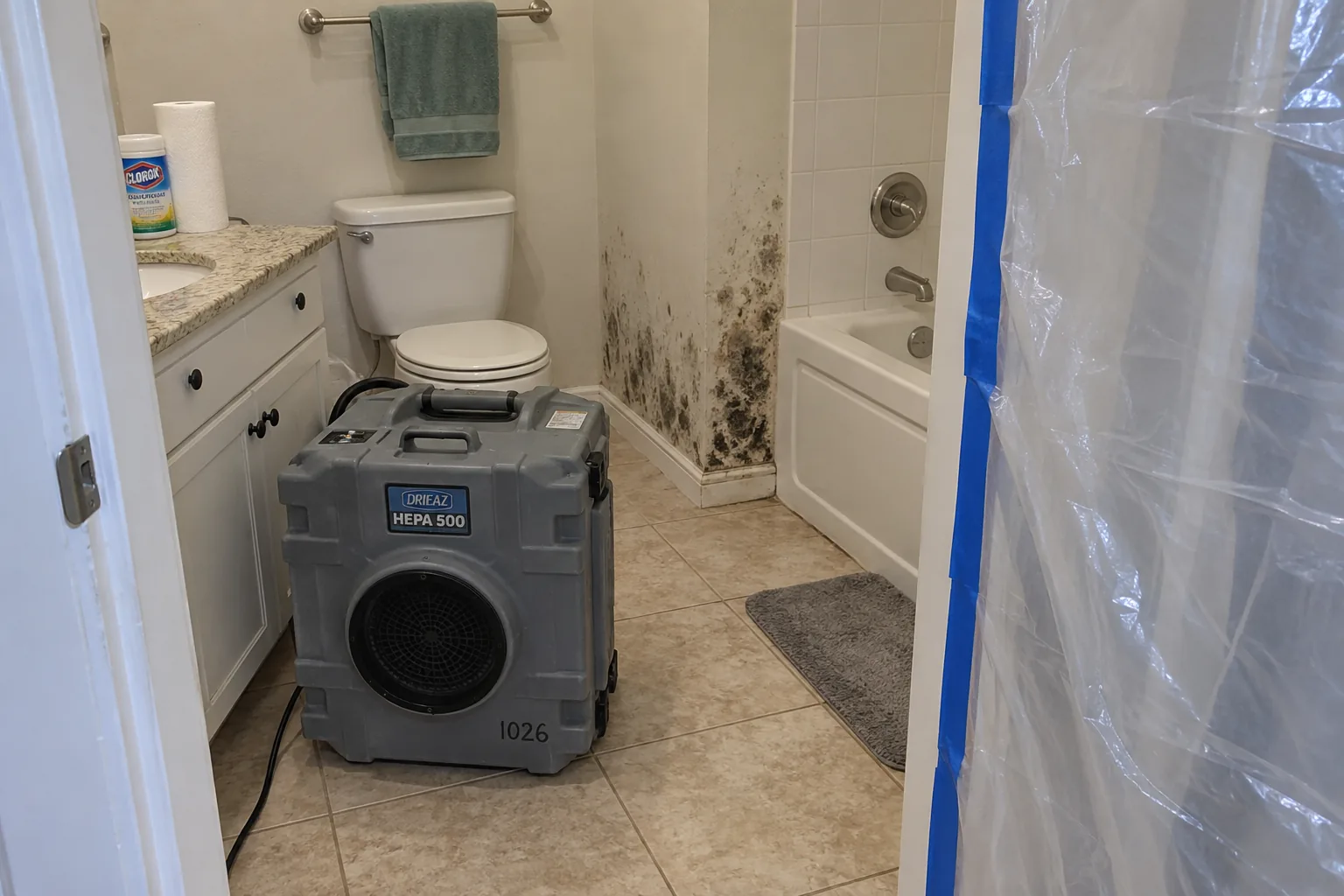
If you smell a musty odor, see staining, or have had a recent leak, act quickly. Our team isolates the affected area, removes contaminated materials safely, and restores indoor air quality with a clear, written scope before work begins.
Mold problems in Central Florida usually trace back to moisture that lingered: a slow plumbing leak, a past roof intrusion, an A/C drain line backup, or humidity in a closed-up room. In Orlando, warm temperatures and frequent afternoon storms can keep materials damp long enough for growth to spread behind baseboards, under vinyl plank, or inside wall cavities.
Proper mold removal is more than spraying a fragrance and wiping a surface. It should include: (1) finding and documenting the affected areas, (2) building containment so spores do not travel to clean rooms, (3) removing porous materials that cannot be reliably cleaned, (4) HEPA vacuuming and damp-wiping hard surfaces with appropriate cleaners, (5) drying the structure to normal moisture levels, and (6) optional deodorizing and clearance verification when needed.
If you are already dealing with active leaks or wet materials, start with stopping the water and drying. Many owners begin with our team at Water Damage Orlando Florida to stabilize the property first, then transition into mold remediation once the moisture source is controlled.
Controlled Remediation
Every job starts with a site walk-through and a plan for protecting the rest of the building. In occupied homes, that often means isolating a bedroom, bathroom, or laundry area so daily life can keep moving while the work stays controlled.
Typical containment and safety measures include:
Once the area is controlled, we remove and bag contaminated porous materials—commonly drywall, insulation, carpet pad, or swollen particleboard—and clean remaining surfaces. If the mold is tied to a long-term humidity issue, we also look at airflow and drying strategy so the same conditions do not return.
For Orlando homes with slab-on-grade construction, we pay special attention to baseboards, lower wall sections, and flooring edges where moisture can hide after a small leak. For two-story homes, we often check around second-floor bathrooms and the ceilings below them where slow drips can go unnoticed.
Call Now +1 689 220 2026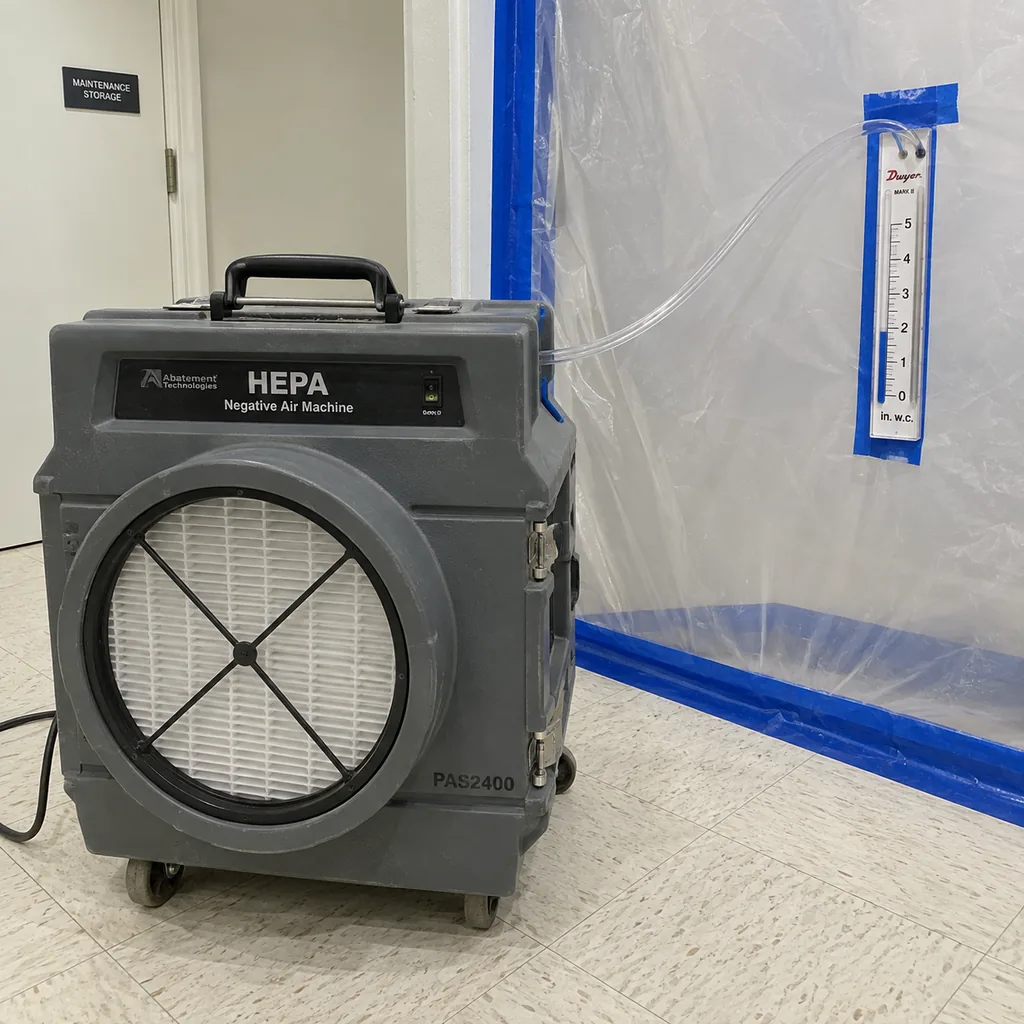
A Defined Scope of Work
We document the affected materials and the planned removal and cleaning steps so you can make decisions with clarity before anything is torn out.
Containment, negative air, and HEPA filtration reduce cross-contamination risk, especially when the home is occupied during the project.
Non-porous and semi-porous surfaces may be cleaned; porous materials that hold growth typically need removal and disposal.
We focus on why the area stayed wet, then dry the structure so conditions for regrowth are reduced.
If odor persists after cleaning and drying, we can discuss deodorizing options that target odor molecules rather than masking them.
You will know what rooms are impacted, what stays accessible, and what the realistic timeline looks like for tear-out, cleaning, and rebuild readiness.
Inspect Beyond the Visible Spot
Mold is usually found where moisture and limited airflow meet. In Orlando, that can look different depending on the building and how it is used.
Neighborhood context matters because building styles vary across the metro. In College Park and parts of Audubon Park, older homes can have renovations layered over original materials, making it easier for moisture to get trapped behind newer finishes. In Lake Nona, newer construction often has tighter building envelopes, which can help efficiency but makes ventilation and moisture management more important when something leaks. Around Conway and Dover Shores, properties near lakes and canals may deal with higher ambient humidity at certain times, so quick drying after a water event is key to preventing secondary mold growth.
Call Now +1 689 220 2026Contained From Start to Finish
We look for visible growth, staining, odor patterns, and likely moisture sources. When needed, we use moisture meters to confirm what is still wet behind finishes.
We isolate the work area with barriers and set negative air with HEPA filtration so disturbed particles stay controlled.
Contaminated porous materials are carefully removed, bagged, and taken out through a controlled path to limit spread to clean spaces.
We HEPA vacuum and clean remaining framing and hard surfaces using appropriate cleaners and methods for the material.
We dry the structure as needed and discuss steps that help keep humidity in a safer range after the work is complete.
We review what was removed, what was cleaned, and what is ready for reconstruction. If you want independent clearance testing, we can coordinate the timing so the space is ready.
Written Pricing Scope
Mold removal in Orlando typically ranges from about $750 to $6,000+, depending on how much material is affected and whether containment and demolition are required. A small, surface-level cleanup in one area is usually at the lower end, while a multi-room project involving drywall removal, insulation, and detailed HEPA cleaning can land higher.
Your final price changes with the size of the affected area, what materials are contaminated—drywall and insulation versus tile or framing—access, how much moisture is still present, and whether deodorizing or post-remediation verification is requested. The exact cost is confirmed after an on-site inspection and a written scope.
Call Now +1 689 220 2026Straight Answers Before Work Starts
Start time depends on current workload and how urgent the situation is, but mold projects are typically scheduled quickly when there is active moisture, strong odor, or visible spread. If the area is still wet from a recent leak or storm intrusion, the first priority is stabilizing moisture so the mold problem does not grow while you wait.
Containment is recommended whenever work could release spores into adjacent rooms, especially if drywall or insulation will be removed. Even small areas can justify a mini-containment with plastic barriers and HEPA filtration when the affected spot is in a hallway, near HVAC returns, or in an occupied bedroom.
Sometimes, yes, but only when the mold is truly limited to the surface and the drywall has not been saturated or colonized. If the drywall is soft, swollen, or mold is present on the back side, removal of the affected section is usually the safer approach because porous materials cannot be reliably cleaned once growth is established.
Many Orlando homeowners stay in the home during remediation when the work area can be isolated and traffic can be controlled. If mold is in a main living area, HVAC closet, or multiple rooms, we may recommend temporary adjustments like keeping certain rooms closed, limiting access near containment, or relocating sensitive occupants until the work is complete.
In most cases, odor improves significantly after removal of contaminated porous materials and thorough HEPA cleaning and drying. If smells persist, deodorizing methods can be used after the source is removed, but the sequence matters: odor treatment works best after demolition, cleaning, and moisture control are complete.
Keep the suspected area closed if possible, avoid running fans that blow air out of the affected room, and do not disturb visible growth by scraping or dry-brushing. If it is safe, take photos and note when the smell or staining started, especially after a leak, A/C issue, or heavy rain, since timing helps narrow down the moisture source.
Start With an On-Site Assessment
Tell us what you are seeing and where it is showing up. We will schedule an on-site assessment, explain what needs to be removed versus cleaned, and provide a written scope that prioritizes safety, containment, and getting your home back to normal.