Water extraction and removal
Rapid removal of standing water and saturated materials to reduce spread into adjacent rooms and lower the overall drying time.
Serving Orlando, Florida & surrounding areas
24/7 Emergency Response
Water Damage Restoration in Orlando, Florida
Fast water extraction, structural drying, and careful rebuild planning to limit damage, protect indoor air, and get your property back to normal.
Fast Stabilization and Measured Drying
If you are searching for water damage restoration Orlando homeowners can rely on, you are usually dealing with the same urgent problems: standing water, wet drywall and flooring, rising humidity, and the fear that mold will follow. Water Damage Orlando provides water extraction, drying, dehumidification, and cleanup with a clear scope of work so you know what is happening, what comes next, and what needs to be documented.
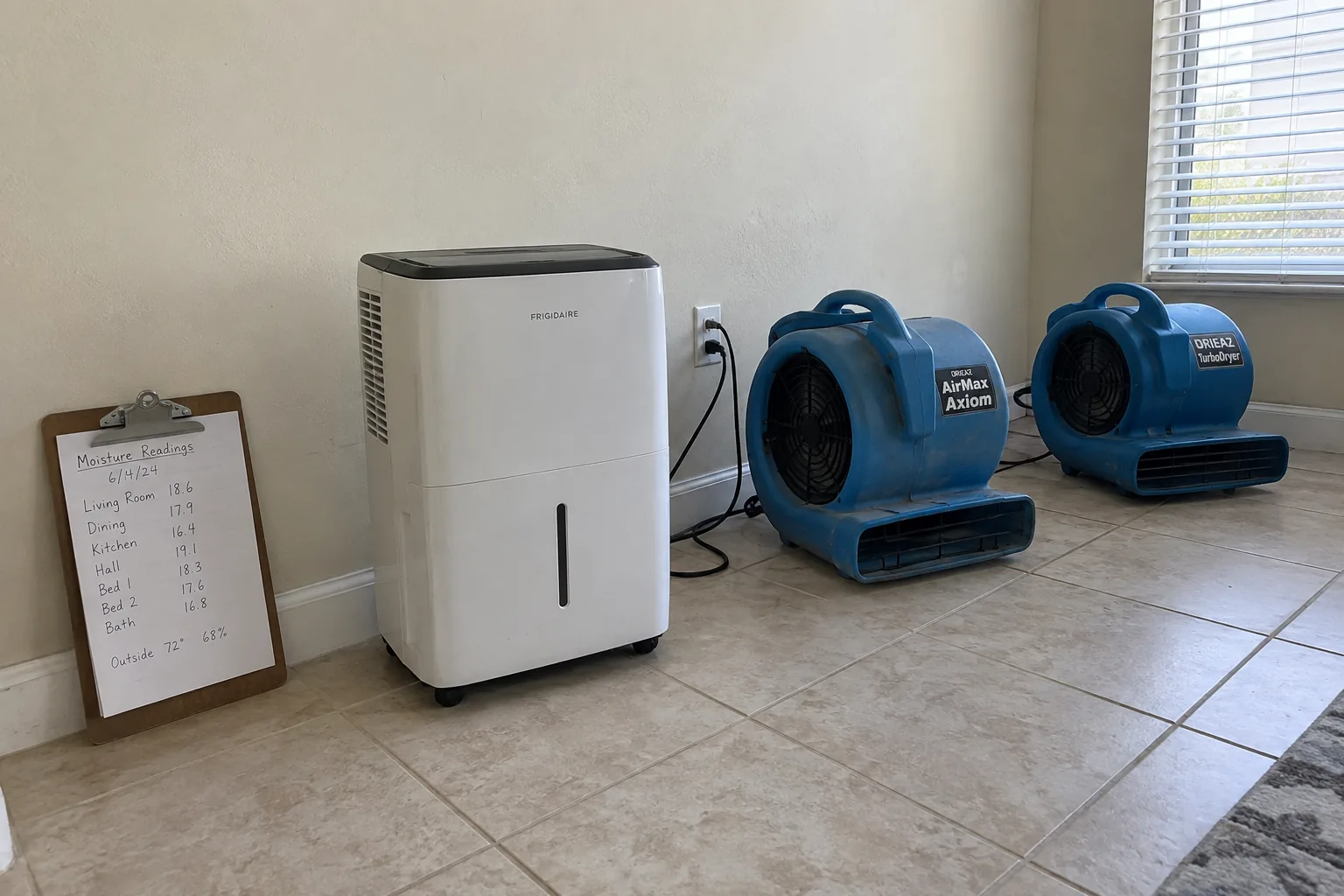
In Orlando, water damage often spreads quickly because warm, humid air slows evaporation and keeps materials wet longer. That is why the first steps are about controlling the environment: removing bulk water, setting proper air movement, and pulling moisture out of the air with commercial dehumidifiers. Drying is not guesswork. It is verified with moisture readings so flooring systems, wall cavities, and framing are dry before repairs move forward.
Common situations we respond to include supply line leaks, overflowing tubs or toilets, appliance failures, roof leaks after storms, and water intrusion around windows or doors. Whether the damage is isolated to one room or involves multiple areas, the goal is the same: stabilize the space, prevent secondary damage, and restore it safely and efficiently.
For an overview of who we are and the areas we serve, you can start with Water Damage Orlando Florida.
Call Now +1 689 220 2026Extraction Through Repair Planning
Rapid removal of standing water and saturated materials to reduce spread into adjacent rooms and lower the overall drying time.
Air movers and dehumidifiers are placed based on the layout and moisture readings, then adjusted as conditions change during dry-down.
We track affected areas with moisture meters and thermal imaging where appropriate, then document conditions and progress for decision-making.
When drywall, insulation, or baseboards cannot be dried properly, we remove only what is necessary to access wet cavities and dry the structure.
Cleaning methods depend on the water source and affected materials, with HEPA filtration and targeted deodorization when conditions call for it.
After dry standards are met, we outline repair needs such as drywall, paint, trim, flooring, and cabinet toe-kicks so the restoration finishes cleanly.
Drying for Central Florida Conditions
Restoration is always about physics and materials, but local conditions affect the plan. Central Florida humidity means we often need stronger dehumidification and tighter containment to keep moist air from circulating back into drying zones. After heavy rain and tropical weather, water intrusion may be widespread, so we prioritize safety checks and source control before dry-out.
Different neighborhoods can also present different building assemblies. In Downtown Orlando and surrounding areas, you may see older plaster walls and solid masonry that hold moisture differently than newer drywall systems. In newer communities around Lake Nona, modern insulation and tighter building envelopes can hide moisture in wall cavities, so moisture mapping becomes even more important. In Conway (32812) and similar established areas with many slab-on-grade homes, water can travel under flooring and into baseboards, so we check perimeter walls and transitions carefully.
No matter where the property is, we work from a consistent restoration playbook: stop the water source, extract, set drying equipment based on measured conditions, and verify drying before repairs. That verification step is what prevents lingering odor, warped materials, and avoidable rebuild work.
Call Now +1 689 220 2026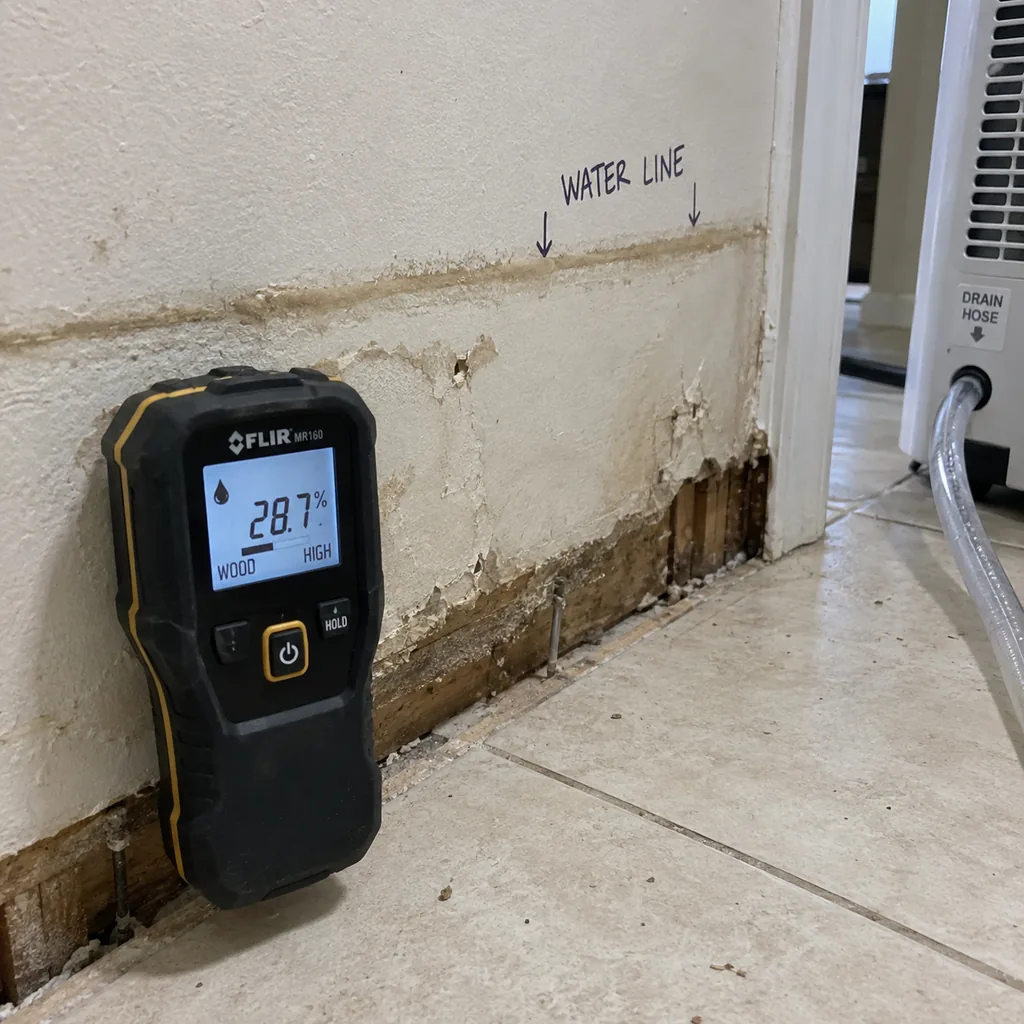
Measured From Inspection to Repair
We identify the source, check for electrical and slip hazards, and map the affected materials so the scope matches the real spread of moisture.
Standing water is extracted first. If materials cannot be dried effectively (such as swollen drywall or compromised insulation), we remove them to open the structure.
We place air movers and dehumidifiers based on the room geometry and readings, and use containment when needed to keep moist air from migrating.
Drying equipment is not set-and-forget. We re-check moisture levels, track progress, and adjust placement or capacity to keep dry-down moving.
Depending on the water category and conditions, we perform cleaning, HEPA air filtration, and deodorization so the space is sanitary and comfortable.
Once moisture targets are met, we document dry conditions and outline the repairs required to return walls, floors, trim, and finishes to pre-loss condition.
Inspection-Based Scope and Pricing
Water damage restoration in Orlando typically ranges from about $1,200 to $6,500+, with small, contained leaks on the lower end and multi-room drying, removal, and rebuild prep on the higher end. A simple extraction and dry-out for one room is often less than a loss involving cabinets, flooring systems, or wet wall cavities that require selective demolition.
Final cost depends on the water source (clean vs contaminated), how long materials stayed wet, the square footage affected, the number of rooms, access for equipment, and what has to be removed and replaced. The exact scope and price are confirmed after an on-site inspection and moisture mapping.
Call Now +1 689 220 2026Clear Answers Before Restoration Begins
Drying should start as soon as possible after the water source is stopped and standing water is removed. In Orlando's warm, humid conditions, wet materials can stay damp longer, so early dehumidification and airflow help reduce secondary damage like swelling, staining, and odor.
Not always, but drywall is often removed when it is swollen, crumbling, or blocking access to a wet wall cavity that cannot be dried effectively from the surface. A moisture map and material condition check determine whether drying-in-place is realistic or whether selective removal is the safer route.
Most dry-outs take several days, but the full timeline depends on how far water traveled and what materials are involved. Drying and verification come first, then repairs like drywall, paint, and flooring can be scheduled once moisture levels meet dry standards.
It depends on the water source and how long it sat. Clean-water incidents may allow salvage of carpet with proper extraction and drying, while contaminated water or prolonged saturation often means the padding and affected materials should be removed for hygiene and odor control.
Stop the water source if it is safe, avoid wet electrical areas, and limit foot traffic to prevent spreading moisture. If you can do so safely, move small items off wet flooring and blot excess water, but avoid running household fans in a way that pushes humid air through the home.
Yes, documentation is a normal part of professional restoration. We record affected areas, moisture readings, equipment placement, and progress so there is a clear record of what was wet, what actions were taken, and when dry conditions were achieved.
Start With Moisture Mapping
Tell us what happened and which areas are wet. We will schedule an inspection, map the moisture, and outline a clear plan for extraction, drying, cleanup, and repairs so you can move forward with confidence.