Source control and safety checks
We help confirm the water is stopped and check for common risks like wet electrical areas, compromised ceilings, and slip hazards before equipment and demolition start.
Serving Orlando, Florida & surrounding areas
24/7 Emergency Response
Water Mitigation in Orlando, Florida
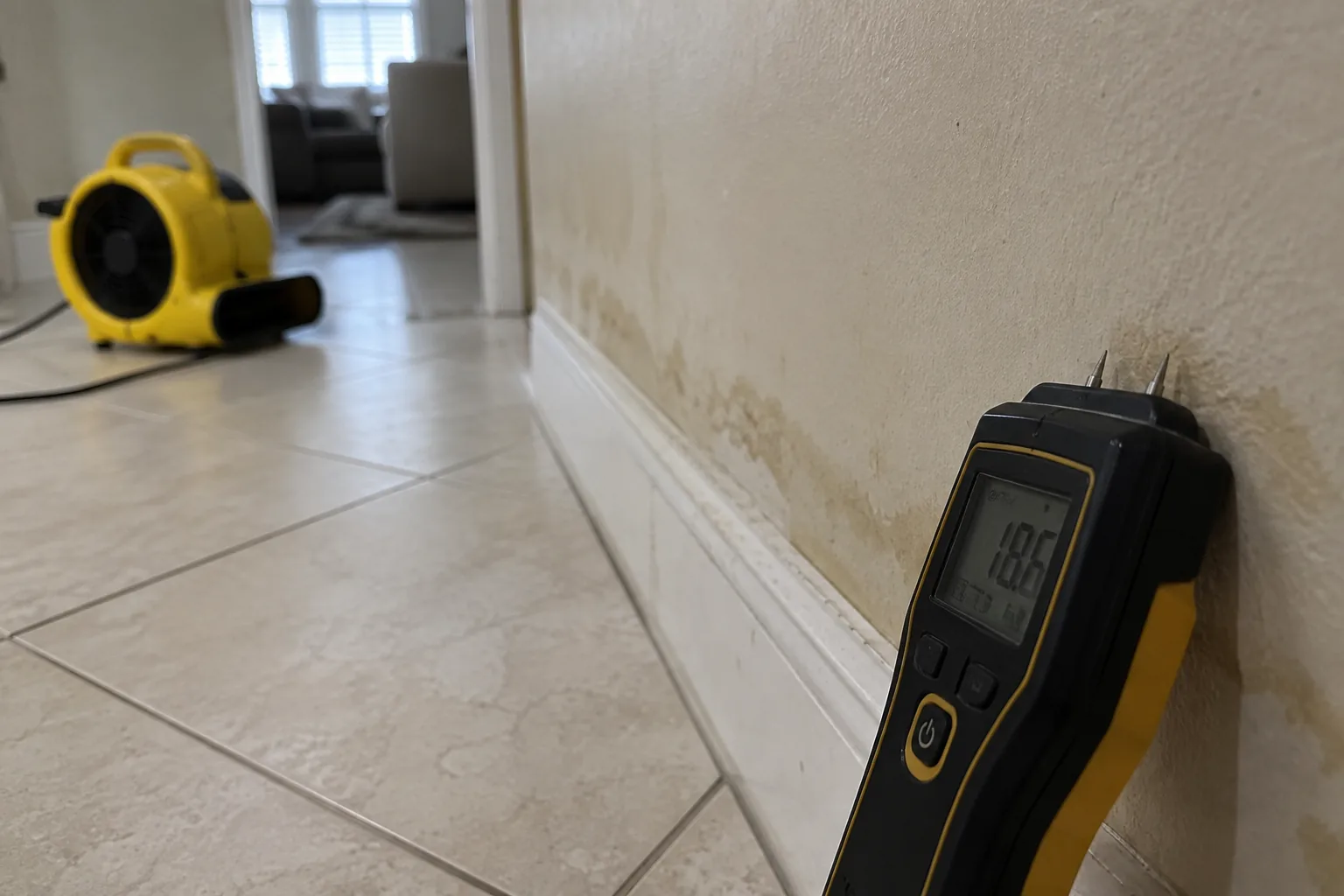
When water gets into floors, walls, or cabinets, time matters. Our Orlando team responds fast, documents what happened, and uses professional drying equipment to limit damage and get your property back to normal.
Measured Emergency Drying
Water mitigation is the urgent work that happens right after a leak, overflow, or storm intrusion. The goal is to stop the source, remove standing water, dry the structure, and control moisture before it turns into warped flooring, swollen drywall, corrosion, and microbial growth.
If you are searching for water mitigation Orlando help, you are likely dealing with soaked baseboards, wet carpet or pad, water in a garage, or moisture that has moved under flooring. In Central Florida's humid conditions, materials can hold moisture longer than people expect, which is why the right equipment and verified drying targets matter. We focus on practical, measurable steps: moisture readings, controlled airflow, dehumidification, and clear documentation of progress.
Water Damage Orlando provides mitigation for residential and commercial properties in Orlando, including condo and townhome situations where water can travel between units. If you also need help with the broader water-damage response, including cleanup planning and next steps after mitigation, our team at Water Damage Orlando Florida can walk you through the full process.
Call Now +1 689 220 2026From Extraction Through Drying
We help confirm the water is stopped and check for common risks like wet electrical areas, compromised ceilings, and slip hazards before equipment and demolition start.
Pumping and extraction remove standing water fast, then we address trapped water in carpet pad, under floating floors, and within wall cavities when needed.
Air movers and dehumidifiers are placed based on readings, not guesswork. We monitor moisture in drywall, framing, and flooring until drying goals are met.
When materials cannot dry properly or are contaminated, we remove targeted sections like baseboards, affected drywall, or wet insulation so the structure can dry correctly.
Where conditions call for it, we clean affected surfaces and apply appropriate antimicrobial products to reduce the chance of odor and microbial issues returning.
We record conditions, equipment placement, and daily progress so you can make informed choices about repairs, insurance, or property management requirements.
A Plan Built for the Property
Mitigation is never one-size-fits-all, and a few Orlando realities affect how we approach drying and containment.
In neighborhoods with older housing stock such as College Park, you can run into plaster walls, multiple floor transitions, and older assemblies that hide moisture differently than newer construction. In Lake Nona, newer builds often have tighter envelopes and large-format tile over slab, so moisture can migrate under baseboards and into adjacent rooms even when the surface looks fine.
Downtown high-rises and condo communities around areas like Baldwin Park add another layer: shared walls, vertical water travel, and HOA requirements that may specify working hours, elevator protection, and how equipment is staged. And in areas closer to lakes and low-lying drainage, water can enter garages and ground-floor spaces quickly during heavy storms, so extraction and rapid dehumidification become the priority.
No matter the zip code, we base the scope on what we can measure. We use moisture meters, map affected areas, and set a drying plan with clear next steps. When a building needs more in-depth microbial remediation beyond mitigation, mold remediation is handled as a separate scope so the right containment and procedures are used.
Call Now +1 689 220 2026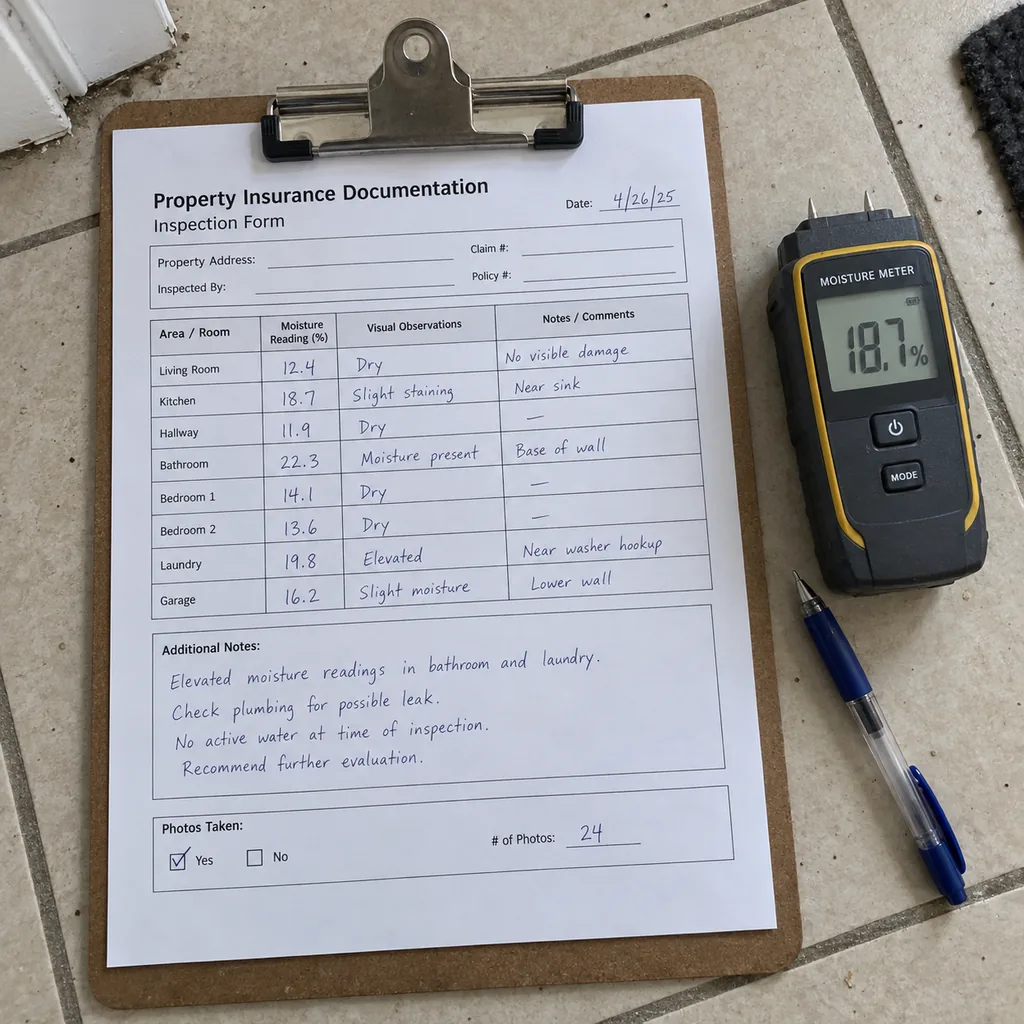
Measured From Start to Finish
We inspect the affected areas, identify likely paths of water movement, and take baseline readings so the drying plan is built on evidence.
Standing water is removed first. If water is trapped under flooring or behind walls, we use targeted removal methods to access and dry the structure without tearing out more than necessary.
We place air movers, dehumidifiers, and containment as required for the category of water and the materials involved. The goal is stable, efficient evaporation and moisture capture.
Drying is monitored with recurring readings. Equipment is adjusted as conditions change so the structure reaches acceptable dry standards before rebuild decisions are made.
Once drying targets are met, we provide documentation and a clear summary of what was affected, what was removed, and what is ready for repair or restoration.
Scope Based on Moisture Readings
Water mitigation in Orlando typically ranges from about $1,000 to $6,000+, depending on how far the water spread and how many days of drying are needed. A small, contained incident with limited extraction and 1 to 2 pieces of equipment is often on the lower end, while multi-room drying, wet drywall removal, and longer monitoring pushes costs higher.
Final price depends on affected square footage, water category (clean vs. contaminated), how much material must be removed to dry correctly, access (condos and upper floors can add labor), and whether contents handling is needed. The exact cost is confirmed after an on-site inspection and moisture readings.
Call Now +1 689 220 2026Clear Answers During an Urgent Situation
Water mitigation should start as soon as the water source is stopped and the area is safe, because wet drywall, flooring, and insulation can begin deteriorating quickly and humidity slows drying in Orlando. Early extraction and dehumidification reduce how much material has to be removed and shorten the overall disruption.
Most mitigation drying phases take about 3 to 5 days, but the timeline depends on what got wet, how deeply water moved into building materials, and whether materials like insulation or cabinetry have to be removed. We track progress with moisture readings and adjust equipment until targets are met.
Drywall and baseboards are removed only when they are too saturated to dry properly, when wet insulation is present, or when opening the wall is needed to dry the cavity. In many cases, targeted flood cuts or baseboard removal is enough to let the wall dry while limiting rebuild work.
Water mitigation is the immediate response that stops water, removes it, and dries the structure; restoration is the repair work that puts the building back together afterward. Keeping mitigation focused and well-documented helps the restoration phase move faster and with fewer surprises.
Yes, we document conditions, moisture readings, affected materials, and drying progress so you have a clear record of what happened and what work was performed. Every policy and carrier handles claims differently, but good mitigation documentation supports the decisions that follow.
If it is safe, stop the water source, avoid rooms with wet electrical outlets or sagging ceilings, and move small valuables away from wet areas. Do not run household fans into a contaminated water area, and avoid pulling up flooring if you are not sure what is underneath, since it can spread moisture or cause damage.
Start Drying the Property
Tell us what happened, what areas are affected, and whether the water is clean or potentially contaminated. We will respond quickly, explain what needs to happen first, and provide a clear plan for drying and next steps at your Orlando property.